The Role of a General Dentist in Preventive Care

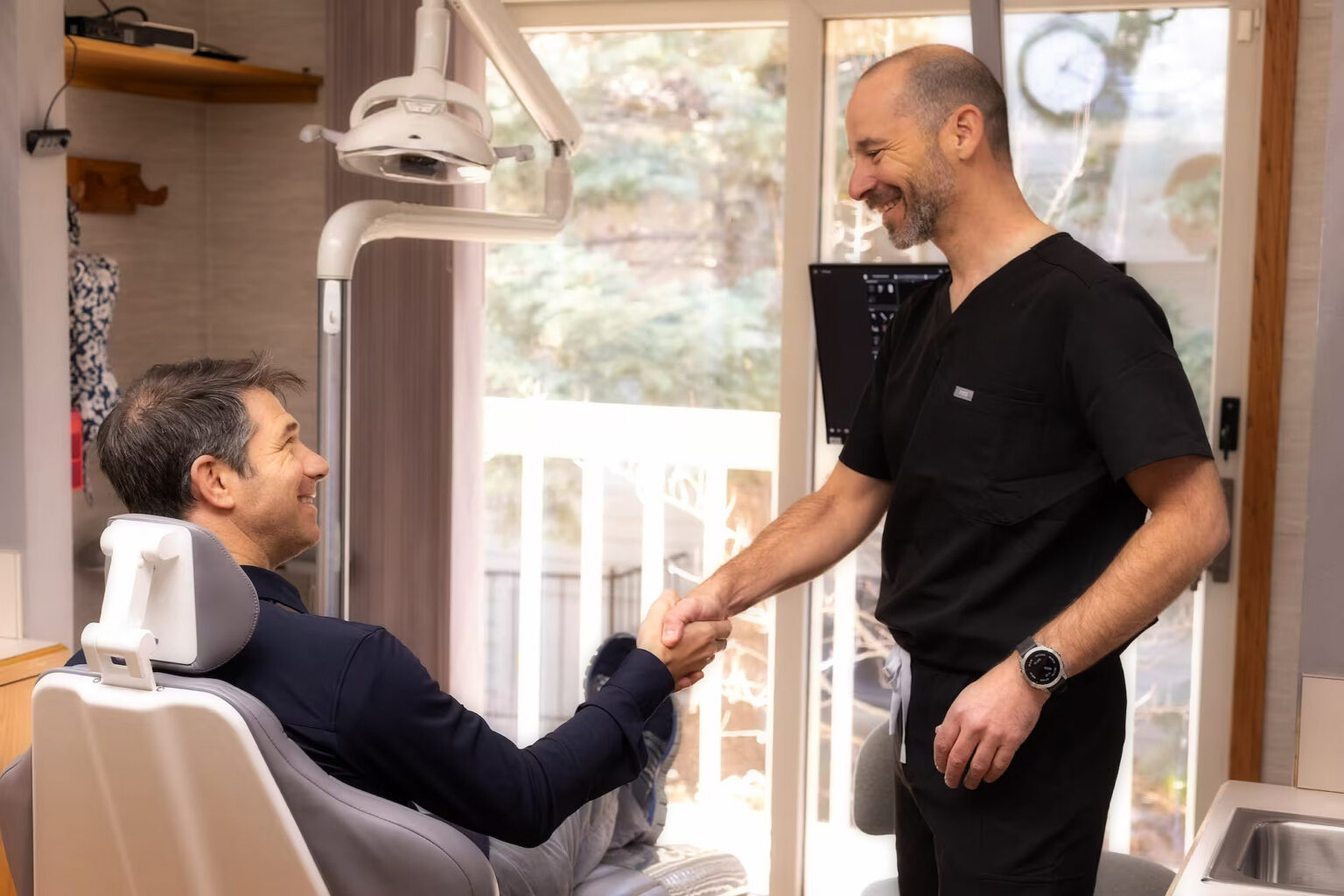

A healthy mouth rarely stays healthy by accident. It reflects years of steady maintenance, early course correction, and dozens of small decisions that most people barely notice, such as replacing a worn toothbrush on time, coming in when cold water suddenly stings, or asking why gums bleed during flossing instead of ignoring it for six months. At the center of that process is the general dentist, not simply as the person who fills cavities, but as the clinician who watches for changes, measures risk, and keeps small problems from becoming expensive, painful ones.
Preventive care can sound simple from the outside. Brush, floss, see the dentist twice a year. That advice is not wrong, but it is far too thin to explain what good prevention actually looks like in practice. Prevention in dentistry is less like a single habit and more like a long-term management strategy. It involves risk assessment, patient education, careful monitoring, and timely intervention. A skilled General Dentist does far more than clean up damage after it appears. The real value often lies in stopping disease before the patient feels anything at all.
Prevention starts before disease is obvious
One of the most misunderstood aspects of oral health is how quietly dental problems can develop. Cavities do not always hurt at first. Gum disease can progress with almost no discomfort. Teeth can crack in a way that causes only occasional sensitivity for months before a more serious fracture occurs. Oral cancer may begin as a subtle tissue change that a patient would never think to mention.
This is where preventive care earns its keep. During a routine visit, a general dentist is not just checking whether there is a hole in a tooth. The exam includes a broad scan of the oral environment. That means evaluating enamel wear, looking for early demineralization, checking gum attachment, measuring periodontal pockets when needed, assessing bite forces, examining soft tissues, and reviewing changes since the last visit. Small findings matter. A faint chalky white area near the gumline can be the start of decay. A polished notch at the neck of a tooth may point to grinding, clenching, or aggressive brushing. Slight inflammation in one area can reveal a flossing blind spot, an overhanging filling, or a failing crown margin.
Experienced clinicians learn to read patterns, not just isolated symptoms. A patient with several new cavities in a year may not simply have “bad teeth.” Often there is a reason. Dry mouth from medication, increased sports drink use, poorly controlled diabetes, reflux, frequent snacking, or a new orthodontic retainer can shift the entire risk profile. Preventive dentistry becomes much more effective when the dentist identifies the cause rather than treating each new lesion as an unrelated event.
The routine exam is more important than many patients realize
Patients often think the cleaning is the main event and the exam is a quick add-on. In reality, the examination is where much of the preventive value resides. The dentist compares current findings with prior records, studies radiographs when indicated, and decides whether conditions are stable, improving, or slipping.
That longitudinal view matters. A single visit offers a snapshot. Several visits over three or five years tell a story. A general dentist may notice that one old filling is beginning to leak around the edges, even though the tooth feels fine. They may see that lower front teeth are accumulating calculus faster than before, which can signal changes in salivary flow or home care. They may spot a trend of increasing wear on front teeth and ask the right question: “Have you been waking up with jaw tension lately?” Patients are often surprised that the dentist can connect a sore jaw, a new high-stress period at work, and a chipped incisor into one clinical picture.
That continuity is one of the great strengths of general dentistry. Specialists are essential when conditions become more complex, but the general dentist is usually the first person to notice that the trajectory has changed. Preventive care depends on that early recognition.
Professional cleanings are not just cosmetic
A common misconception is that a cleaning mainly removes stains and leaves the teeth feeling smooth. It certainly does that, but the deeper purpose is controlling biofilm and calculus in places routine brushing and flossing often miss. Even diligent patients miss spots, especially behind lower front teeth, around partially erupted molars, and near crowding or dental work.
Plaque is soft and can often be removed with good home care. Calculus is hardened and cannot. Once calculus builds up near or below the gumline, it creates a rough surface that helps more plaque stick. That cycle can fuel gingivitis and, in susceptible patients, periodontitis. A preventive cleaning interrupts that process. It also gives the clinical team a chance to look closely at tissue response. Gums that bleed heavily in one isolated area tell a different story than generalized mild inflammation. That distinction affects what advice follows.
For patients with a history of gum disease, prevention may require visits more often than the traditional six-month interval. Three- or four-month periodontal maintenance schedules are not arbitrary. They are often based on how quickly harmful bacterial communities reestablish and how vulnerable the patient’s supporting bone and gum structures are. Good prevention is rarely one-size-fits-all.
Risk assessment is the backbone of modern preventive care
Not every patient needs the same preventive plan. Two adults of the same age can have radically different dental risks. One may go years with no decay and minimal wear. Another may develop recurrent cavities around old fillings, struggle with dry mouth, and show signs of clenching. Treating both with identical advice would miss the point.
A thoughtful General Dentist builds prevention around risk. That includes clinical findings, medical history, diet, habits, medications, age, dexterity, and motivation. A child with deep grooves in new molars may benefit from sealants. A patient with frequent root cavities may need high-fluoride toothpaste and more aggressive dry-mouth management. Someone wearing clear aligners may need specific cleaning guidance because trapping carbohydrates against the teeth can raise cavity risk.
The most effective preventive plans usually combine office-based care with realistic home strategies. That second part is crucial. Ideal advice is not always useful advice. If a patient is never going to floss traditionally, the better plan may be interdental brushes, floss picks, or a water flosser, depending on spacing and gum condition. Good prevention works best when it matches how a person actually lives.
Education is a clinical skill, not a side note
Patient education sometimes gets treated as a soft extra, but in practice it is one of the dentist’s strongest preventive tools. The challenge is that education only works when it is specific enough to change behavior. Telling a patient to “brush better” is vague and forgettable. Showing them that the cavities keep forming along the gumline where plaque sits undisturbed is different. Pointing out that the tenderness is not random, but linked to recession and hard lateral brushing, often lands more clearly than generic advice ever could.
The same goes for diet. Many patients understand that sugar is bad for teeth in a broad sense, yet they do not realize that frequency often matters as much as quantity. Sipping sweet coffee over three hours exposes teeth to repeated acid attacks. Chewing dried fruit during a workday can be rough on vulnerable grooves and margins. Sports drinks, flavored sparkling waters with acid, nighttime snacking, and constant mints can all complicate the picture.
When education is effective, it feels practical rather than preachy. Patients respond better when they hear, “Your teeth are not failing, but your mouth is under more acid stress than it was two years ago,” than when they feel scolded. A strong general dentist knows how to translate clinical findings into useful next steps without making the patient defensive.
Fluoride, sealants, and other preventive interventions
Preventive dentistry is not limited to observation and advice. It also includes direct interventions that strengthen teeth or reduce risk. Fluoride remains one of the most valuable tools available, especially for children, teens, older adults with exposed roots, and anyone with elevated decay risk. Professional fluoride varnish can help remineralize early lesions and make enamel more resistant to acid.
Sealants are another example of simple prevention with long-term value. Molars often have deep pits and fissures where food and bacteria collect, and those areas can be difficult for children to clean well, even with supervision. Sealing those grooves does not guarantee a cavity-free future, but it can significantly lower risk in the years when those teeth are most vulnerable.
Night guards, salivary substitutes, prescription-strength toothpaste, and targeted antibacterial strategies can also play a role. These measures are not glamorous, and they rarely get much attention outside the office, but they often prevent the kinds of breakdown that later require crowns, root canals, or extractions.
Gum health is where prevention becomes especially consequential
Cavities get a lot of attention because they often end in fillings, and fillings are tangible. Gum disease can be more deceptive. It may progress slowly, without dramatic pain, while quietly damaging the structures that support the teeth. Once bone is lost, the body does not simply restore it on its own.
The general dentist is often the first line of defense here. Early gingivitis is reversible. Periodontitis is manageable, but not General Dentist reversible in the same straightforward way. That is an important distinction. Preventive visits allow the dentist and hygienist to catch the transition early, when tissue inflammation can still be brought under control before deeper support is compromised.
Patients do not always recognize the warning signs. Bleeding gums are commonly brushed off. So is bad breath, slight tooth movement, or a new space between teeth. Sometimes the clues are subtle, such as gum recession on canines from brushing habits, or localized inflammation around a bridge where flossing technique needs adjustment. These are not cosmetic footnotes. They are opportunities to intervene while the stakes are still relatively low.
Preventive care extends beyond teeth and gums
The role of the general dentist also includes screening for conditions that patients may not associate with dental care at all. Oral cancer screening is one of the clearest examples. During a routine exam, the dentist evaluates the tongue, floor of mouth, cheeks, palate, lips, and surrounding tissues for suspicious changes. Most abnormalities turn out to be benign, but some deserve monitoring, further testing, or referral. Catching a lesion early can make a profound difference.
Dentists also notice signs of systemic and behavioral issues that present in the mouth first. Severe enamel erosion may point to acid reflux or, in some cases, an eating disorder. Recurrent fungal infections may relate to medication use, immune status, or uncontrolled diabetes. Dry mouth can be a side effect of antidepressants, antihypertensives, antihistamines, or autoimmune disease. Jaw wear and fractured cusps may suggest bruxism linked to stress or sleep disturbances.
This does not mean a general dentist replaces a physician. It means they occupy a unique surveillance point. Because many people see their dentist regularly, sometimes more regularly than their primary care doctor, the dental office can become the first place a broader health concern is recognized.
Children, older adults, and everyone in between need different preventive strategies
Preventive care changes across life stages. A child learning to brush needs coaching, supervision, and caries risk monitoring tied to diet and eruption patterns. Teenagers may face sports injuries, orthodontic hygiene challenges, and frequent acidic drink exposure. Adults often deal with cracked teeth, grinding, restorative maintenance, and gum recession. Older adults may contend with dry mouth, root decay, dexterity issues, medication burden, and the added complexity of crowns, bridges, implants, or partial dentures.
A one-size preventive message misses too much. An older patient with arthritis may need a larger toothbrush handle or powered brush to maintain plaque control comfortably. A teenager with aligners may need blunt, direct advice about taking them out for sugary drinks. A parent of a seven-year-old may need help understanding why baby teeth still matter, especially when infection or early loss can affect speech, nutrition, and spacing for permanent teeth.
These adjustments are where clinical judgment shows. The best preventive care is technically sound, but also adaptable.
What a strong preventive relationship looks like
The most successful dentist-patient relationships share a few traits. There is consistency, enough trust for honest conversations, and a plan that is clear without being rigid. Patients do better when they understand what the dentist is watching and why.
A preventive relationship often includes a few recurring themes:
- tracking changes over time rather than reacting only to pain
- adjusting home care tools to fit the patient’s actual habits and anatomy
- using early interventions when risk rises, instead of waiting for obvious damage
- coordinating referrals when a gum, bite, or surgical issue moves beyond routine care
- revisiting the plan as age, medications, and health status change
None of that feels dramatic on a single day. Its impact shows up over years. The patient who keeps the same teeth stable into later life rarely attributes that outcome to one memorable appointment. More often, it comes from dozens of unremarkable visits where potential trouble was identified and managed early.
The financial side of prevention is real, but it is not the only point
It is fair to say that prevention usually costs less than repair. A cleaning, exam, radiographs, and fluoride treatment are generally far less expensive than a crown, root canal, implant, or periodontal surgery. That economic argument is valid, and many patients understand prevention better when they see the numbers laid out plainly.
Still, cost is only part of the story. The larger issue is preserving structure. Every time a tooth needs a filling, some natural tooth is lost. When that filling eventually fails and becomes larger, more structure is removed. Crowns, root canals, and extractions can be necessary and valuable, but they are part of a restorative sequence that most dentists would prefer to postpone or avoid when possible. Prevention protects options. It keeps treatment simpler for longer.
There is also the quality-of-life factor, which patients understand immediately when they have gone through a dental emergency. Avoiding a weekend abscess, a broken molar before travel, or persistent cold sensitivity that disrupts meals has obvious value. Preventive care is quiet when it works, but that quiet is worth a great deal.
Why some preventive plans fail, even with good intentions
Not every patient who receives sound advice gets a good result. That is a reality any experienced clinician has seen. Sometimes the obstacle is access or cost. Sometimes it is fear. Sometimes life becomes complicated and oral care falls down the list. Sometimes the advice itself is unrealistic.
The most effective general dentists recognize those barriers early. If a patient is overwhelmed, the plan may need to focus on one high-impact change rather than six ideal ones. If someone has a strong gag reflex, flossing alternatives matter. If a patient keeps missing morning brushing because of chaotic work shifts, moving the routine to a different part of the day may work better than repeating the same instruction.
Prevention is not about perfection. It is about reducing risk consistently enough to change the outcome. That may mean improving from poor control to moderate control before aiming higher. In practical care, that kind of progress is often what saves teeth.
A general dentist’s preventive role is both broad and personal
The strongest argument for regular preventive dental care is not that every patient will avoid every problem. Biology is messy. Genetics, medications, habits, stress, and age all shape the mouth in ways no clinician can fully control. The point is that a general dentist can see risk early, interpret it accurately, and respond before the damage becomes harder to reverse.
That role is broader than many people realize. It includes diagnosis, surveillance, coaching, minor intervention, maintenance, and referral when needed. It requires technical skill, but also pattern recognition, communication, and the judgment to tailor advice to the person in the chair. Some patients need fluoride and sealants. Others need periodontal maintenance, a night guard, or help managing dry mouth. Many need a little of each over different stages of life.
Preventive care works best when it becomes part of a long-term partnership rather than an occasional repair visit. The general dentist is central to that partnership. Not because they can guarantee a problem-free mouth, but because they can often spot the first signs of trouble long before the patient would recognize them alone. That is where modern dental care does some of its best work, quietly, early, and with consequences that extend well beyond the next appointment.
Aspenwood Dental Associates and Colorado Dental Implant Center
2900 S Peoria St Ste C, Aurora, CO 80014, United States
+1 303-731-4037
FAQ About General Dentist
How long do teeth fillings last in Aurora, CO?
Fillings can last for years, but they are not lifetime restorations. Their durability depends on the material, the size and location of the filling, chewing forces, and oral hygiene. A general dentist can examine a filling for wear, damage, or new decay and explain whether monitoring, repair, or replacement is appropriate. Age alone does not establish that a filling needs replacement.
How Can I Reduce Dental Anxiety?
Tell the dental team about your concerns when booking and again at your visit. Ask for an explanation of each step, agree on a signal for breaks, and consider slow breathing or headphones if the practice permits them. Discuss pain control and any sedation options with the dentist; suitability depends on your health, medicines, and planned treatment.
When should your child first see a dentist in Aurora?
Arrange the first dental visit within six months after the first tooth appears and no later than the first birthday. Early visits allow the dentist to assess development and discuss brushing, fluoride, feeding habits, and cavity prevention. Ask the practice whether it sees infants and how it handles referrals when a child needs specialist care.
Corrections
Spot something wrong? Send it to the desk and it gets fixed in the open.