General Dentist Aurora: Creating Healthy Dental Habits That Last
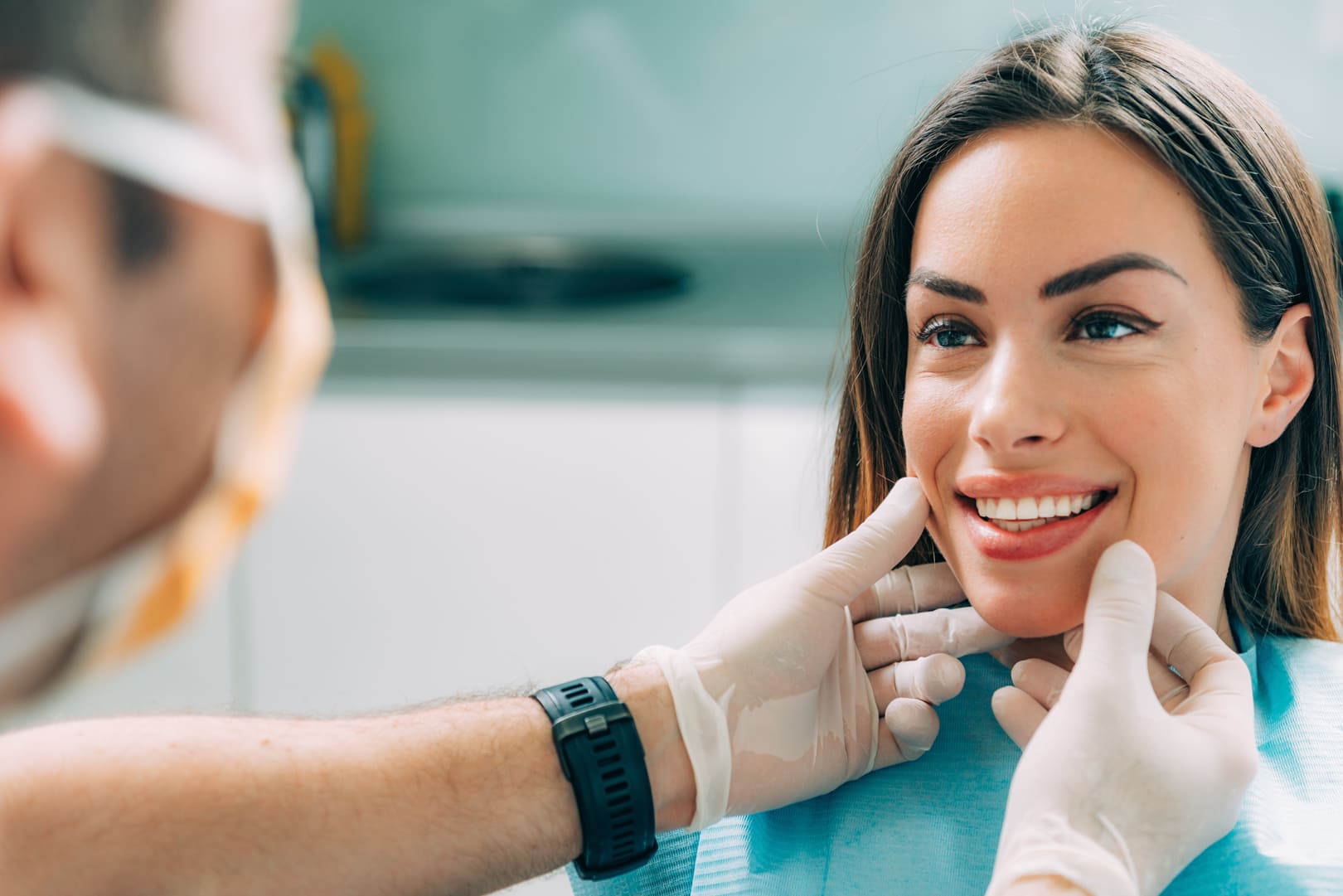
Healthy dental habits rarely come from a burst of motivation. They come from routines that fit real life, survive busy mornings, and still hold up when work runs late or the General Dentist Aurora kids are tired. That is the part people often underestimate. Good oral health is not built on occasional effort. It is built on repeatable actions, done well enough, often enough, over many years.
A general dentist in Aurora sees this pattern every day. The patients with the healthiest mouths are not necessarily the ones buying every new product on the shelf. More often, they are the ones who understand the basics, stick to them, and make small adjustments before small issues become expensive ones. That approach sounds simple, but simple and easy are not the same thing.
What lasting dental habits really require is a mix of skill, consistency, and judgment. A person needs to know how to brush effectively, when flossing matters most, what certain foods do in the mouth, and why regular exams are more than a quick polish. Just as important, they need a plan that works when life gets messy. The best habit is the one you will actually keep.
Why habits matter more than occasional effort
Teeth and gums respond to daily conditions. Plaque starts forming quickly after brushing. Acid attacks enamel after meals and drinks. Gums react to repeated irritation, not one missed night of flossing. This is why oral health is cumulative. A strong week does not erase six inconsistent months, and one indulgent weekend usually does not ruin a mouth that has been cared for steadily.
That cumulative effect is easy to see in practice. One patient may come in with very little decay despite drinking coffee daily, because they brush thoroughly, use fluoride toothpaste, and keep routine cleanings. Another may have multiple early cavities, not because of one dramatic problem, but because frequent snacking, rushed brushing, and skipped visits have created the right conditions for damage to build quietly.
The same principle applies to gum health. Bleeding gums are often treated like a small annoyance, but they are usually a sign of inflammation. Left alone, that inflammation can progress from mild gingivitis to deeper periodontal problems. The change is rarely sudden. It develops gradually, which is exactly why steady habits matter so much.
The foundation is still the foundation
Dental care advice sometimes gets buried under trends, but the core routine has not changed much because it works. Brushing twice a day, cleaning between the teeth, using fluoride, and seeing a dentist regularly still give the best return for the time invested.
Brushing is where many people overestimate their performance. Two minutes sounds minor until you actually time it. Most people brush for much less, and many scrub aggressively while missing the gumline and back teeth. The goal is not force. It is thoroughness. A soft-bristled brush, angled toward the gums, used with small controlled strokes, usually does a better job than hard scrubbing. Electric toothbrushes can help, especially for people who rush or have limited dexterity, but technique still matters.
Cleaning between the teeth is the second habit that separates decent home care from strong home care. A toothbrush cannot reliably reach those tight contact points. Floss, interdental brushes, or water flossers each have a place, depending on the mouth. A patient with tightly spaced teeth may do best with traditional floss. Someone with bridges, orthodontic appliances, or larger spaces may find interdental aids more practical. The best tool is the one that gets used correctly every day.
Fluoride also deserves more credit than it gets. It helps strengthen enamel and can slow or reverse very early demineralization. For children and adults alike, fluoride toothpaste is one of the simplest and most effective parts of home care. Patients sometimes want dramatic interventions while overlooking the importance of something as ordinary as toothpaste. In reality, ordinary done consistently is often what keeps teeth stable.
When good intentions fail at home
Most people do not ignore their oral health on purpose. They run into friction. The routine feels too long. The child fights bedtime. The college student falls asleep at a desk. The night shift worker has no standard morning. Those details matter because habits fail where systems are weak.
One useful way to think about dental care is to remove decision-making from it. If brushing depends on motivation, it will be inconsistent. If it is tied to an existing routine, such as showering or setting an alarm, it becomes more automatic. The same goes for flossing. Patients who wait until they are exhausted at the end of the day tend to skip it. Patients who floss earlier, perhaps right after dinner, often do better.
There is also a perfection problem. People miss one day and then abandon the routine for a week because they feel they have already failed. Dental health responds far better to recovery than to guilt. Missing one brushing session is not ideal. Turning that miss into a pattern is the real risk.
A General Dentist Aurora patients trust often spends as much time helping people troubleshoot these routine failures as treating cavities. The clinical work matters, but prevention usually depends on behavior outside the office. That is where durable habits are won or lost.
Children learn what the household repeats
Children rarely build strong dental habits from instructions alone. They build them from repetition, supervision, and example. A parent who brushes alongside a child is usually more effective than a parent who simply says, “Go brush your teeth.” Young children also need more help than many adults realize. Fine motor skills develop gradually, and a child who can hold a toothbrush is not automatically cleaning well.
For families, consistency beats complexity. A simple evening routine done the same way most nights usually works better than an elaborate plan that collapses after three days. It helps to make dental care feel normal rather than punitive. If brushing becomes the thing that happens only after a battle, the child starts to associate it with stress.
Diet matters here too. Constant grazing, juice in sippy cups, and sugary snacks used as frequent rewards create a rough environment for teeth. This is not about banning every treat. It is about frequency. Teeth handle occasional sugar better than repeated exposure throughout the day. A child who has dessert with dinner and then brushes is often in better shape than a child who sips sweetened drinks for hours.
Parents should also remember that baby teeth are not disposable practice teeth. They hold space, support speech development, and affect comfort, sleep, and nutrition. Treating them seriously teaches children that oral health is part of overall health, not an optional extra.
Adults need systems, not lectures
Adults usually know they should brush and floss. What they need is a routine that reflects their actual schedule, habits, and risks. A patient with dry mouth from medication needs a different prevention strategy than a patient with excellent saliva flow and low cavity history. A person who travels constantly may need portable tools and a backup kit in a work bag. Someone with a history of gum disease may need more targeted cleaning between teeth than someone with minimal buildup.
This is where personalized care matters. General dentistry is not just about identifying disease. It is about recognizing patterns. A patient who clenches at night may need a custom night guard to protect enamel and restorations. A patient with frequent root decay may need prescription-strength fluoride or advice on dry mouth management. A patient recovering from orthodontic treatment may need extra focus on retention and hard-to-clean areas.
There is also the issue of fatigue. Adults balancing work, caregiving, and health concerns often drop self-care first. In a dental setting, that shows up as deferred cleanings, broken fillings left unattended, and “I’ve been meaning to call” stories. Those patients do not need shaming. They need realistic support. Sometimes the most helpful recommendation is not a perfect plan, but a stripped-down one they can sustain.
What a lasting routine looks like in practice
The most durable dental habits usually share a few qualities. They are specific, realistic, and easy to repeat. They also leave some room for imperfection.
Here is a practical baseline routine that works for many patients:
- Brush twice daily for a full two minutes with fluoride toothpaste.
- Clean between the teeth once a day with floss or another recommended tool.
- Limit frequent sipping and snacking, especially sugary or acidic items.
- Drink water regularly, especially after meals and coffee.
- Keep regular dental exams and cleanings based on your dentist’s guidance.
That list looks basic because it is basic. The difference lies in execution. A person who brushes every morning while answering emails is not really brushing. A person who flosses once every ten days because they feel guilty is not truly cleaning between the teeth. The power of the routine comes from repetition and quality, not from owning a crowded bathroom cabinet.
Food, drinks, and timing matter more than people think
Many patients assume sugar is the whole story. Sugar is certainly important, but the pattern of exposure often matters just as much as the amount. A sweet snack eaten quickly with a meal is different from sticky candy nibbled across an afternoon. A sports drink sipped through a workout bathes the teeth in acid for much longer than a drink finished with lunch. Even seemingly healthy choices, such as dried fruit or flavored sparkling beverages, can create problems depending on frequency and acidity.
Coffee and tea deserve a balanced view. They can stain teeth, and sweetened versions increase cavity risk, but they are not automatic villains. The issue is often what gets added and how long they are consumed. A cup of coffee finished in twenty minutes is different from one topped up for three hours. Patients who sip all morning keep the mouth under a more constant acid challenge.
Timing after acidic foods and drinks is another detail worth knowing. Brushing immediately after a highly acidic beverage, such as soda or citrus juice, may contribute to enamel wear because the surface is temporarily softened. It is often better to rinse with water and wait a bit before brushing. That kind of nuance matters because prevention is not just about effort. It is about doing the right thing at the right time.
The hidden barriers: dry mouth, medications, and stress
Not every dental problem comes from poor habits. Some come from biology, medical treatment, or stress. Dry mouth is a common example. Saliva plays a major protective role by buffering acids, helping remineralization, and washing away debris. Patients taking certain antidepressants, blood pressure medications, antihistamines, or other prescriptions may notice reduced saliva. They can brush well and still develop more cavities than expected.
Stress changes oral health in less obvious ways too. People under pressure may clench or grind, snack more often, sleep poorly, or neglect routines. In the office, this can show up as cracked teeth, sore jaw muscles, recession from heavy brushing combined with tension, or generalized wear. These are not failures of character. They are reminders that oral health is connected to the rest of life.
A careful dentist adjusts recommendations accordingly. That might mean saliva substitutes, fluoride rinses, custom guards, more frequent monitoring, or practical behavior changes tailored to the patient’s reality. This is one reason a long-term relationship with a general dentist helps. Patterns become clearer over time, and small shifts can be caught earlier.
Why regular visits still matter when nothing hurts
Pain is a poor screening tool for dental disease. Many cavities do not hurt until they are advanced. Gum disease can progress with little discomfort. Cracks may be visible before they become symptomatic. Oral cancer screenings, bite changes, worn restorations, and suspicious lesions often rely on routine evaluation, not patient awareness.
Professional cleanings matter for a related reason. Even patients with good brushing habits can accumulate tartar in areas that are difficult to manage at home. Once plaque hardens into calculus, brushing alone will not remove it. Cleanings also provide an opportunity to review technique, update risk assessments, and deal with small issues before they become major treatment plans.
Patients sometimes delay visits because they fear being judged, or because previous experiences felt rushed. A good general practice should reduce that fear, not reinforce it. The aim is not to scold. It is to partner with the patient. When people feel respected, they are much more likely to return consistently, ask questions, and follow through with care.
That is especially important for anyone searching for a General Dentist Aurora families can stay with over time. Continuity has real value. A dentist who knows your history, your restorations, your habits, and your concerns can often give better, more efficient guidance than someone meeting you for the first time in the middle of a problem.
Small changes that often deliver the biggest payoff
Patients sometimes expect prevention advice to be complicated. In practice, a handful of changes often account for most of the improvement. Brushing at night instead of skipping it. Switching from a hard brush to a soft one. Replacing all-day soda sipping with water between meals. Wearing a night guard instead of ignoring morning jaw soreness. Booking the next cleaning before leaving the office so time does not slip away.
A few of the most effective upgrades are surprisingly modest:
- Keep an extra toothbrush and fluoride toothpaste at work or in a travel bag.
- Use a timer or an electric brush if you consistently rush.
- Floss before you are too tired, not after.
- Choose water as the default between meals.
- Address sensitivity, bleeding, or a chipped tooth early.
None of these steps are glamorous. That is partly the point. Lasting oral health is usually built through small, repeatable decisions that lower the odds of trouble. A person does not need a perfect record. They need fewer blind spots and better recovery when routines slip.
The long view
Healthy dental habits that last are rarely dramatic. They are quiet, steady, and a little boring, which is why they work. They hold up through changing jobs, new babies, school schedules, aging parents, travel, stress, and all the ordinary disruptions that shape a life. The strongest routines are not the strictest ones. They are the ones designed for real people.
For some patients, that means learning proper brushing technique for the first time at age forty. For others, it means finally treating dry mouth seriously, helping a child get through bedtime brushing without tears, or returning to regular care after years away. Progress in dentistry is often less about a single breakthrough and more about a series of smart corrections made early enough to matter.
A trusted general dentist can guide those corrections, but the real work happens at home, one ordinary day after another. That is the encouraging part. Good oral health is not reserved for people with perfect habits or endless free time. It is built by people who understand the basics, respect the small details, and keep showing up for the routine. Over time, those choices add up to stronger teeth, healthier gums, fewer emergencies, and a much easier relationship with dental care overall.
Aspenwood Dental Associates and Colorado Dental Implant Center
Address: 2900 S Peoria St Ste C, Aurora, CO 80014
Phone number: +13037314037
FAQ About General Dentist Aurora
What is meant by general dentistry?
General dentistry refers to the primary, foundational tier of oral healthcare, focused on the prevention, diagnosis, and treatment of conditions affecting the teeth, gums, and jaw. General dentists serve as a patient's main, long-term dental care provider—much like a primary care physician.
What is general dentistry and orthodontics?
General dentistry and orthodontics are two specialized branches of dental care. General dentistry serves as your primary care for overall oral health, focusing on routine cleanings, fillings, and disease prevention. Orthodontics is a specialized field focused entirely on diagnosing and correcting misaligned teeth and jaw structures using braces or clear aligners.
What are type 3 dental services?
Type 3 dental services typically include major restorative treatments that repair or replace damaged or missing teeth. These services are more complex and costly than preventive or basic dental care. Common examples of type 3 dental services include: Dental crowns.
Corrections
Spot something wrong? Send it to the desk and it gets fixed in the open.